In this article:
Finding Reliable Tree Care in Bolingbrook
Most homes in Bolingbrook have at least one tree that needs attention sooner or later. Tree services cover everything from routine trimming and stump grinding to full removals and emergency cleanup. This site helps you line up independent tree care professionals so you can see your options in one place. Asking for a few free quotes is a smart habit, because scope and pricing can differ quite a bit from one company to the next. Whether your trees are healthy, overgrown or storm-battered, a local pro can walk you through what makes sense. When you're ready, ask for a few quotes and compare them at your own pace.
The Stress of Storm-Damaged Trees
A severe storm can snap a trunk or drop a heavy limb across your roof, fence or driveway in seconds. Suddenly you're looking at a tangle of wood that's too heavy to move safely on your own. Trees that stay standing can be a hidden danger, since cracked branches and leaning trunks may come down later. Power lines, wet ground and unstable timber make DIY cleanup risky, and chainsaw injuries after storms are common. It's also hard to know which trees can be saved and which need to come out. A licensed and insured tree specialist can inspect the damage, remove the hazards safely and haul away the debris.
From Assessment to Cleanup, Step by Step
Assessment, Removal and Debris Hauling
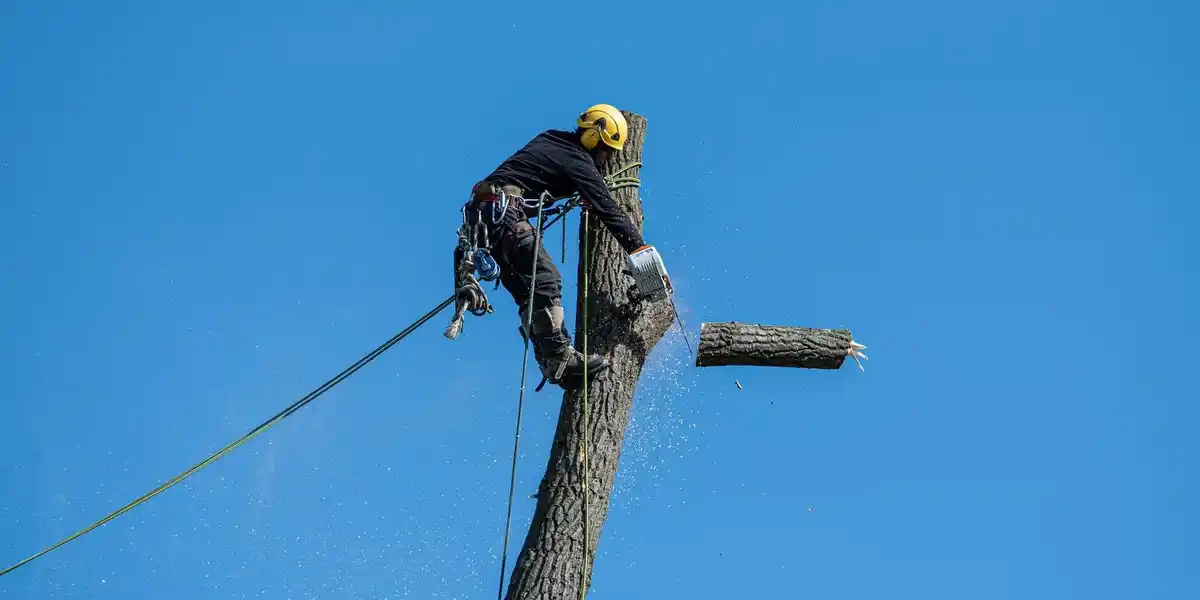
The process usually starts with a walkthrough where the pro looks at fallen trees, hanging limbs and anything near your home. They'll flag the most urgent hazards first, such as limbs over structures or trees resting on wires. Next you receive a written quote that spells out what's included, from cutting and removal to hauling and stump work. Crews then section the wood carefully, using ropes and equipment to protect your roof, fence and landscaping. Once the hazards are gone, they haul off branches and logs, or leave firewood if you'd like it. Before you agree to anything, ask for proof of liability insurance and workers' compensation.
Estimate your tree service cost
Typical cost per tree in Bolingbrook (Estimate)
Note: these are average reference prices. Request a quote for an exact price.
| Typical cost per tree | Average Price per tree |
|---|---|
| Tree trimming or pruning Per tree, depends on height and access | $ 203.85 - $ 1019.27 |
| Tree removal Per tree, depends on size, location and hazards | $ 509.64 - $ 2548.18 |
| Stump grinding Per stump, depends on diameter | $ 101.93 - $ 509.64 |
| Storm damage cleanup Per tree, fallen or broken trees | $ 407.71 - $ 3057.82 |
| Tree health assessment Per tree, arborist inspection | $ 101.93 - $ 407.71 |
Tree Services for Storm-Damaged Properties
Emergency Cleanup for Fallen Trees and Limbs
After a severe windstorm, cleanup work usually centers on downed trunks, snapped limbs and trees that now lean. A crew typically starts by making the area secure, which may mean cutting a tree off a shed. Because very high tornado risk and relatively low strong wind risk are a real concern in Bolingbrook, hazard calls tend to come in clusters after a big system passes. They then cut the wood into smaller pieces and move it off the property. Work like this is usually priced per tree, and the amount depends on size, access and how much danger is involved. A tree on a house takes more time and heavier gear than one lying flat in an open yard. Ask if the quote includes hauling, since some companies leave wood and brush on site. Many homeowners find it useful to get several written quotes, because scope can differ a lot after a big storm. Also ask who will deal with any tree that still looks sound but has visible cracks. Comparing bids side by side makes it easier to spot what's covered and what costs extra. It also helps to confirm that the crew has proper liability coverage before anyone climbs a damaged tree.
Stump Removal and Yard Restoration
Once a storm-damaged tree is down, the stump and root flare often remain and can be an eyesore. After severe winds in Illinois, many yards in Bolingbrook are left with splintered stumps that need attention. Stump grinding is a logical add-on, and many companies bundle it with removal. Grinders chew the stump below ground level so you can replant the spot or rebuild the lawn. Pricing for grinding usually depends on the stump's overall diameter and how simple it is to reach. Roots that spread under a driveway or fence can add to the cost of the job. If a damaged tree is too unstable to save, a full removal may be the safest route. Ask whether the quote covers grinding, or whether it's a standalone line item. You'll also want to know what happens to the wood chips, since some pros leave them for you to use as mulch. Many cities and counties require a permit to remove protected trees, and rules vary by municipality. Confirm with your local government before scheduling removal, especially for older trees. With a very high tornado risk in Will, it pays to settle these details before the next storm.
Health Checks and Structural Pruning
After one storm, most homeowners want to prevent a repeat, and a tree health assessment is a sensible place to start. An arborist inspects the trunk, roots and canopy for decay, cracks and poor structure. In a place with very high tornado risk and relatively low strong wind risk, looking at tree structure before the next storm matters more. ISA Certified Arborists are credentialed through the International Society of Arboriculture, so you can confirm that credential. Inspections are usually priced per tree, and cost varies on size and how much access is needed. A careful report often notes which trees are sound and which ones are a concern. Based on what they find, a pro may suggest targeted pruning to reduce sail-like canopy weight in high winds. Proper pruning is different from topping, which arborist organizations generally discourage because it can weaken trees. Many homeowners schedule seasonal checkups so hazards are spotted early. A specialist can also walk you through cost and payment options, if you're planning several trees at once. Getting a few quotes for assessment work is a easy way to plan ahead. Comparing those quotes side by side makes it easier to see what each estimate actually covers.
Costs and Payment Options for Storm Work
Storm damage cleanup often runs from a few hundred dollars to a few thousand per tree, depending on size and access. Removal of a large tree that landed on a structure tends to sit toward the higher end. Some homeowners check whether their insurance policy covers storm-related tree removal, so it's worth reading your policy. Coverage rules vary by insurer and situation, so a call to your agent is the best way to know. A specialist can talk through payment options and how to document the damage. Comparing several written quotes helps you see what's covered in each price.
What Local Weather Means for Trees in Bolingbrook
Bolingbrook has a very high tornado risk, so severe storms are a real factor for local trees. Strong wind risk is relatively low here, which puts extra stress on tall or shallow-rooted trees. Hail risk sits at relatively low, and hail can bruise bark and shred leaves, leaving trees open to disease. With a relatively high lightning risk, strikes can damage trunks that look healthy from the ground. In Illinois, . Houses in Bolingbrook have a median age of about 37 years, so older landscaping often means larger, more mature trees near the house.
Local Facts for Bolingbrook
How Comparing Tree services Works in Bolingbrook
Tell us about your trees
Describe the work you need, such as removal, trimming or stump grinding.
Compare local pros
Review tree care professionals serving your area and request written quotes.
Choose with confidence
Check insurance and credentials, then pick the pro that fits your needs and budget.
Ready to Find a Tree Pro in Bolingbrook?
Whether it's a stormy emergency or a simple trim, comparing quotes helps you find a fair deal in Bolingbrook. Tell us a bit about your trees and we'll help connect you with independent local pros. You can look over their quotes, ask questions, and choose the one that fits. Remember to confirm insurance, ask about cleanup, and get everything in writing. There's no obligation to hire anyone, so you can take your time. Start your comparison today and get your yard safe again.
Call (877) 307-1322