In this article:
Your Guide to Tree Care in Charleston, SC
Whether you have one old oak or a whole yard full of trees, Charleston homeowners have plenty of tree care choices. This site helps you compare local tree service pros side by side. We're a comparison platform, so we don't do any tree work ourselves. Most people find it helpful to collect a few free quotes before deciding who to hire. A little planning ahead can keep a windy season from turning into a costly one. When you're ready, request a few quotes and see what local pros suggest for your trees.
When Trees Near Your Home Become a Hazard
Hurricane-force winds can topple trees that are dead, leaning or too heavy on one side. Falling limbs and whole trees often land on roofs, fences, cars and power lines. Even a healthy looking tree can hide decay that only shows up under stress. Many homeowners aren't sure which trees are safe and which ones need attention before the season starts. Storm debris also piles up quickly, and it can be dangerous to clear on your own. A licensed local specialist can inspect your trees, explain the risks and recommend trimming, removal or cleanup that fits.
How Tree Pros Handle Hurricane Season Needs
What an Arborist Looks For on Site
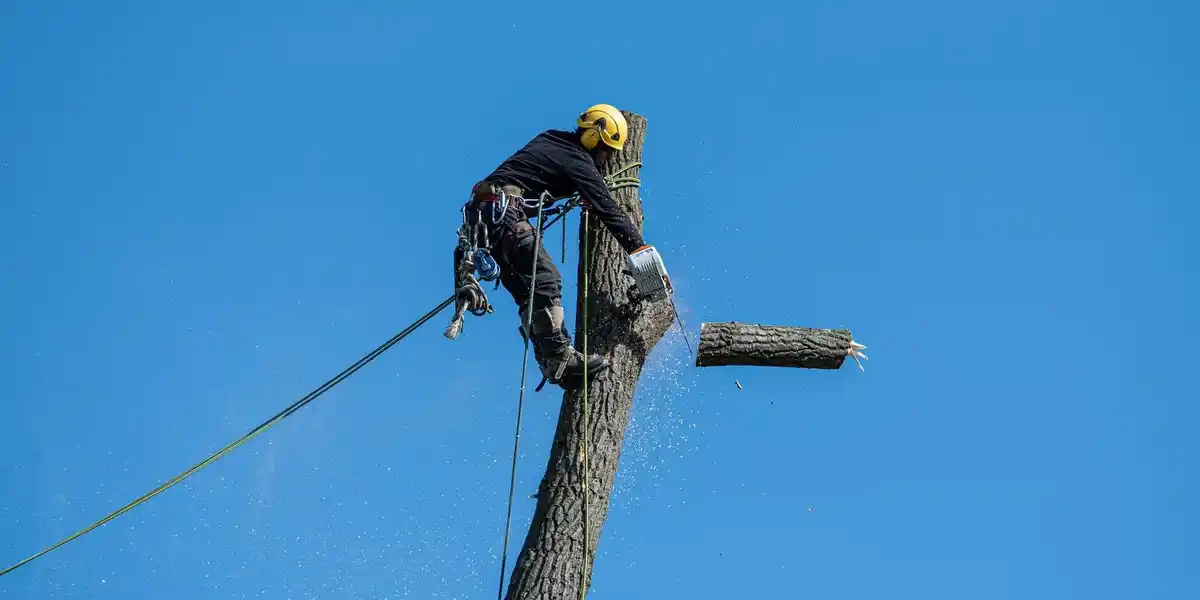
It usually starts with an on-site look at each tree's trunk, roots, branches and distance from your home. An ISA Certified Arborist can spot signs like cracks, dead wood, leaning and root damage. From there, the pro recommends options such as crown thinning, cabling, hazard removal or leaving a tree alone. You'll get a written quote that should spell out what's included, like cleanup, hauling and stump grinding. Once you approve the plan, the crew does the work and clears the site, and after a storm the same pros can handle fallen trees. Comparing a few quotes lets you weigh both the approach and the cost before you commit.
Estimate your tree service cost
Typical cost per tree in Charleston (Estimate)
Note: these are average reference prices. Request a quote for an exact price.
| Typical cost per tree | Average Price per tree |
|---|---|
| Tree trimming or pruning Per tree, depends on height and access | $ 231.05 - $ 1155.24 |
| Tree removal Per tree, depends on size, location and hazards | $ 577.62 - $ 2888.11 |
| Stump grinding Per stump, depends on diameter | $ 115.52 - $ 577.62 |
| Storm damage cleanup Per tree, fallen or broken trees | $ 462.10 - $ 3465.73 |
| Tree health assessment Per tree, arborist inspection | $ 115.52 - $ 462.10 |
Tree Care Options Worth Comparing
Reducing Wind Resistance and Removing Danger Trees
Crown thinning selectively removes a portion of the branches so wind can pass through the canopy instead of catching against it. This reduces the load on the trunk and can make a healthy tree more able to handle strong gusts. It is different from topping, which arborist organizations generally discourage because it can weaken trees. Some trees cannot be saved, especially those with advanced decay, major cracks or a heavy lean toward the house. In those cases, hazard removal is often the safer choice, and a specialist can walk you through why. Removal is done in sections when the tree stands near buildings or lines, which takes skill and the right equipment. Cost depends on the size, location and hazards around the tree, so quotes can differ quite a bit. Pruning is typically priced per tree, based on height and access. Getting several written quotes helps you see a fair range for your yard.
Removing Storm-Damaged Trees Safely
When a storm breaks a tree, cleanup can be more dangerous than it looks. Trunks under tension, tangled branches and overhead power lines are serious hazards for anyone without training. That is why many homeowners call a professional for storm damage cleanup. A specialist can section fallen limbs, clear the debris and secure any leaning trees that remain. If a tree has landed on a roof or fence, they will often coordinate around the damage so it does not get worse. Your insurance company may need photos and documentation of the damage, so keep anything you capture before the work starts. Storm cleanup is usually priced per tree, and prices rise with size and access. Ask each company whether hauling and stump grinding are included in the quote. Since demand spikes after big storms, comparing options ahead of time can help.
Tree Health Assessments and Ongoing Monitoring
A tree health assessment is an inspection by an arborist who looks for disease, pests, root problems and structural weakness. It is often the most affordable step, and it can prevent a much bigger bill later. The cost is usually per tree, based on the tree's size and how involved the review is. Many homeowners schedule a checkup before storm season and once more after any big weather event. The arborist may suggest pruning, cabling or simply watching a tree over time. Written notes from each visit make it easier to track how a tree changes from season to season. ISA Certified Arborists are credentialed through the International Society of Arboriculture, so that title is worth to look for. Licensing rules for tree care companies vary by state and locality, so confirm what applies near you. Comparing quotes from a few providers helps you find the right fit for what you need.
Costs and Financing for Tree Services
Tree work costs depend on size, location, access and how many hazards are nearby. Trimming, removal, grinding and storm cleanup are each priced separately, usually per tree or per stump. Larger jobs near roofs and power lines tend to cost more than simple ones in an open yard. Some companies may offer payment plans, and a specialist can walk you through the financing options they have. It is also worth asking your homeowner's insurance provider about what storm damage it covers. Since prices differ between companies, comparing several written quotes is the simplest way to budget with confidence.
Local Conditions That Affect Your Trees in Charleston
Homes in Charleston sit in an area with very high hurricane wind risk, so a tree's crown, roots and structure matter more than they might elsewhere. Strong wind risk is rated relatively moderate, and tornado risk is relatively moderate, which adds to the case for regular pruning. With about 196 rainy days a year, soil around roots stays soft often enough to loosen a tree's grip in a gust. Hurricane wind risk is very high, and storm surge or waterlogged ground can weaken roots over time. Worth knowing in South Carolina: That's useful context when you compare quotes. On the rules side, Check with your local government before removing a large tree.
Local Facts for Charleston
How Comparing Tree services Works in Charleston
Tell us about your trees
Describe the work you need, such as removal, trimming or stump grinding.
Compare local pros
Review tree care professionals serving your area and request written quotes.
Choose with confidence
Check insurance and credentials, then pick the pro that fits your needs and budget.
Compare Options and Choose With Confidence in Charleston
Whether you need a small trim, a full removal or just a second opinion, it is easy to get started. Tell us a little about your trees and your project, and we will connect you with independent local pros. We are a comparison platform and do not perform tree work ourselves. You can review written quotes side by side and check insurance, credentials and what cleanup includes. There is no pressure to pick anyone, so you can take your time. Request your free quotes today and see which local options fit your home and your budget.
Call (877) 307-1322