In this article:
Hail Damaged Trees in Denver
Every yard in Denver has trees that need attention at some point. Comparing free quotes from local tree care pros is the easiest way to see what fair pricing looks like. Trimming, removal, stump grinding and health checks are all routine jobs for homeowners here. We're a comparison platform, so we don't do any tree work ourselves. The independent pros you'll see set their own schedules and quote their own prices. Whenever you're ready, browse a few quotes and pick the one that fits your yard.
What Hail Does to Your Trees
Hail can leave a tree appearing fine from the street and still be badly hurt up close. Bark wounds invite decay and insects, and small branches often snap or split. Weakened limbs can fail weeks later in an ordinary wind. That leaves many people unsure whether to prune, wait, or remove. Guessing wrong can mean a bigger problem down the road. A qualified tree specialist can inspect the damage, sort out what's salvageable, and lay out a clear plan.
From Inspection to Cleanup
A Simple Path From Damage to Recovery
It usually starts with a full inspection of the trunk, the crown and the ground beneath the tree. Many pros are ISA Certified Arborists, and you can ask about that credential when you compare quotes. Corrective pruning removes damaged branches cleanly so wounds can seal properly. If a limb or the whole tree is too weak, removal may be the safer call. Ask each company whether cleanup, hauling and stump grinding are included. Before any work starts, ask for proof of liability insurance and workers' compensation.
Estimate your tree service cost
Typical cost per tree in Denver (Estimate)
Note: these are average reference prices. Request a quote for an exact price.
| Typical cost per tree | Average Price per tree |
|---|---|
| Tree trimming or pruning Per tree, depends on height and access | $ 223.89 - $ 1119.45 |
| Tree removal Per tree, depends on size, location and hazards | $ 559.73 - $ 2798.63 |
| Stump grinding Per stump, depends on diameter | $ 111.95 - $ 559.73 |
| Storm damage cleanup Per tree, fallen or broken trees | $ 447.78 - $ 3358.36 |
| Tree health assessment Per tree, arborist inspection | $ 111.95 - $ 447.78 |
Services Homeowners Compare After Hail
Restoring Structure With Careful Pruning
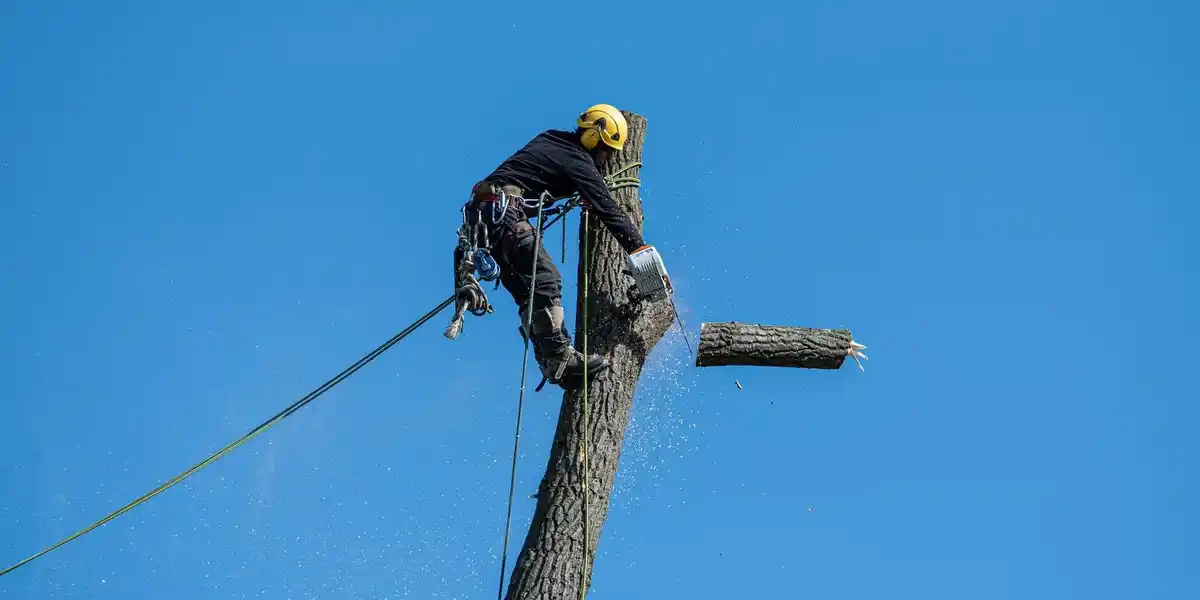
Most hail recovery starts with pruning the broken parts of the crown. The goal is to take out split branches and ragged stubs so the tree can close its wounds. A good pro cuts back to healthy tissue instead of leaving jagged breaks behind. Tree topping is generally discouraged by arborist organizations because it can weaken trees. Storm damage cleanup covers fallen limbs and debris, and it's often quoted per tree. Ask whether hauling and chipping are included so there are no surprises. Larger or higher limbs generally cost more because of the equipment involved. Getting two or three written quotes helps you see what's typical in your area. Compare what each estimate includes and not only the bottom line.
Removing Trees Too Damaged to Save
Some trees simply can't bounce back from heavy hail wounds. Large trunk wounds and split leaders are common reasons a pro may suggest removal. Removal is usually priced per tree and depends on height, location and nearby hazards. Trees close to a house, fence or power line tend to cost more to take down. Many cities and counties require a permit to remove protected or heritage trees. Rules vary by municipality, so confirm with your local government first. Stump grinding is normally quoted as an add-on and depends on stump diameter. Ask each company whether grinding, cleanup and wood disposal are in the quote. Licensing requirements for tree care companies vary by state and locality, so ask about that too.
Keeping an Eye on Recovering Trees
A tree health assessment is a practical follow-up once the worst damage is cleaned up. An arborist inspects the crown, bark and roots and flags signs of decay or pests. Assessments are usually priced per tree and cost far less than an emergency removal. Wounds from hail can take a full growing season to show how deep they go. A second look next season can catch problems before they grow. Some pros also offer a simple maintenance plan for pruning and inspections. Ask what that plan includes and how often the tree would be checked. Comparing plans from a few companies keeps the ongoing cost reasonable. We don't perform any of this work, but we can help you compare the pros who do.
Understanding the Cost of Tree Repairs
Tree work is priced per tree, so costs vary a lot with size, access and how much damage there is. As a general range, trimming often runs a few hundred dollars per tree, while removal and storm cleanup can cost noticeably more. Getting several written quotes is common and makes it easier to spot an unusually high or low bid. Confirm whether cleanup, hauling and stump grinding are part of each quote. A specialist can walk you through payment or financing options if a bigger job is on the table. If you have homeowners insurance, check your own insurer about how storm damage is handled.
What Your Local Climate Means for Tree Damage
With a very high hail risk, trees in Denver can take repeated hits that leave patches of old and new bark wounds. A relatively high strong wind risk adds stress to limbs that hail has already weakened. Tornado risk here is relatively high, so a tree with a compromised crown deserves an early look. Around 17.4 inches of rain a year over roughly 180 rainy days keeps fresh wounds wet and invites decay. In Colorado, Check the details with your local government before major removals.
Local Facts for Denver
How Comparing Tree services Works in Denver
Tell us about your trees
Describe the work you need, such as removal, trimming or stump grinding.
Compare local pros
Review tree care professionals serving your area and request written quotes.
Choose with confidence
Check insurance and credentials, then pick the pro that fits your needs and budget.
Ready to Compare Local Tree Pros?
Every Denver yard is different, and a few quotes help you see your options. Tell us a little about your trees and you can see estimates from local pros. There's no obligation to hire anyone you compare. We're a comparison platform, so the service itself is done by independent professionals. Before you choose, ask about insurance, credentials and what each quote includes. When you're ready, request your free quotes and take it from there.
Call (877) 307-1322