In this article:
Tree Trimming and Removal in Great Falls
Finding a reliable tree service in Great Falls is easier when you can see several options side by side. This platform lines up independent local tree professionals so you can request free quotes without calling around. We don't do the tree work ourselves, and the pros you hear from are separately owned businesses. Trimming, removal, stump grinding, and storm cleanup are all frequent requests. Winter can be hard on older trees, so a quick look at their structure often pays off. When you're ready, request a few quotes and see what fits your yard.
Winter Tree Damage Homeowners Face
A single thick snowfall can leave a tree sagging under weight it was never built to carry. Weak branch unions and overgrown limbs are usually the first spots to give way. You might wake up to a cracked limb hanging over the driveway, the roof, or a power line. It's hard to tell at a glance whether a tree is stable or just waiting for the next storm. A licensed tree specialist can evaluate the damage, remove what's dangerous, and recommend pruning that lowers the risk next winter. Comparing quotes first keeps you from rushing into the first offer.
How Local Pros Fix Storm-Damaged Trees
Building a Plan for Safer Trees
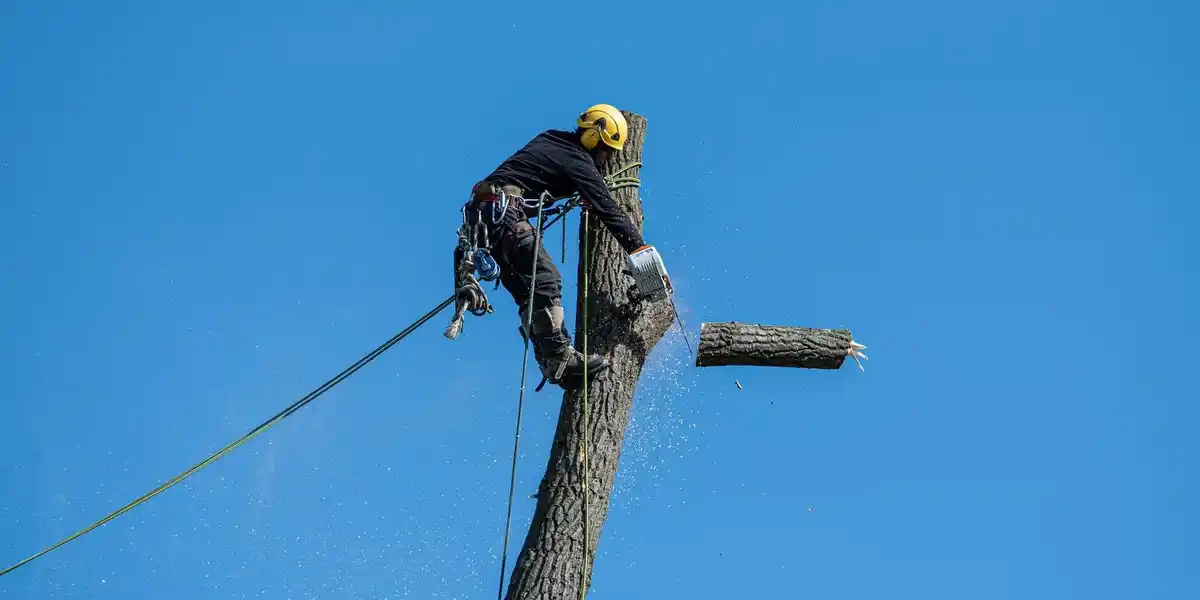
The process usually starts with a careful walk around the tree, looking at cracks, hanging limbs, and trunk unions. A credentialed arborist can identify weak points that aren't obvious from the yard. You'll typically get a written quote explaining what will be cut, what will be removed, and what happens to the debris. Once you accept a quote, the crew takes down the hazardous parts using proper rigging and safety gear. Cleanup, hauling, and stump grinding may or may not included, so it's worth confirming them up front. Afterward, structural pruning can reduce the chance of the same damage happening again.
Estimate your tree service cost
Typical cost per tree in Great Falls (Estimate)
Note: these are average reference prices. Request a quote for an exact price.
| Typical cost per tree | Average Price per tree |
|---|---|
| Tree trimming or pruning Per tree, depends on height and access | $ 199.20 - $ 996.02 |
| Tree removal Per tree, depends on size, location and hazards | $ 498.01 - $ 2490.06 |
| Stump grinding Per stump, depends on diameter | $ 99.60 - $ 498.01 |
| Storm damage cleanup Per tree, fallen or broken trees | $ 398.41 - $ 2988.07 |
| Tree health assessment Per tree, arborist inspection | $ 99.60 - $ 398.41 |
Services Local Pros Offer After Winter Storms
Emergency-Style Cleanup After Heavy Snowfall
Storm damage cleanup is usually the first call after a heavy, wet snowfall. It covers removing broken limbs, clearing fallen branches, and making safe anything hanging over structures. Jobs range from a single snapped branch to a whole tree that has split at the trunk. Because conditions vary so much, quotes are usually based on the size of the tree, access, and how much is down. Ask each pro whether hauling and wood chipping are included in the quote. It's also smart to confirm that the company carries liability insurance and workers' compensation before work begins. Some trees are too damaged to save, and an honest assessment will say so. In other cases, careful cutting can preserve the healthy part of the tree. Getting multiple written quotes makes it easier to compare scope, not just the bottom line.
Pruning Trees to Handle Snow Load
Once the immediate storm damage is handled, structural pruning is a logical next step. It focuses on reducing heavy limbs and improving weak branch attachments before they fail. With about 44.3 inches of snow a year, poorly attached branches face real stress. Done well, it allows a tree to shed snow and hold its shape through the next winter. Codominant stems with tight unions are especially prone to splitting under a heavy load. A selective arborist will thin the canopy rather than remove major portions of it. Tree topping, on the other hand, is generally discouraged by arborist organizations because it can weaken trees. An ISA Certified Arborist is certified through the International Society of Arboriculture and can explain what a sound pruning cut looks like. Asking to see proof of certification and insurance is a simple way to screen a company. Many homeowners schedule this work in fall, when trees are easier to assess and calendars are more open. Trimming costs usually depend on height, access, and how much work the canopy needs. Ask for a written scope so you know how much will be removed. Comparing several pros helps you see how different arborists approach the same tree. A clear estimate should also mention cleanup and haul-away so there are no extra charges later. Taking a little time to compare bids usually leads to a better fit and a healthier tree.
Monitoring Trees for Winter Weakness
A tree health assessment is a sensible way to catch problems before snow does. An arborist can check for decay, included bark, cracks, and past storm damage. They can also explain which trees deserve long-term care and which may be better removed. Inspections are usually priced per tree, and the cost depends on the size and condition of what's being reviewed. A yearly look at older or large trees is often enough to track changes over time. Photos and notes from past visits help the next arborist see what has changed. Many cities and counties require a permit to remove protected or heritage trees, and rules vary by municipality. It's worth confirming the requirements with your local government before any removal is scheduled. Comparing quotes from a few pros offers you a clearer picture of both the cost and the recommended plan.
Cost and Payment Options for Tree Work
Costs for tree work depend on the size of the tree, how hard it is to reach, and how much cleanup is needed. Storm damage cleanup is usually priced per tree, and jobs with broken or fallen limbs tend to cost more than routine trimming. A specialist can explain financing options if the job is bigger than you planned for. Some homeowners check their insurance provider about coverage for storm-related damage. Coverage depends on your policy, so it's best to read the details or speak with your agent. Getting several written quotes helps you compare what's included, like hauling and stump grinding, not just the total.
Snow, Cold and Your Trees in Great Falls
With 44.3 inches of snow a year, branches in Great Falls regularly carry heavy loads that strain weak unions. Winter lows around 17.6°F leave wood brittle, so limbs can crack more easily under ice and snow. About 121 freeze-thaw cycles a year widen small cracks that let moisture and decay into the trunk. A season with roughly 7,481 heating degree days also means long cold stretches when snow stays on the canopy. In Montana, Since , check the local rules before scheduling any removal.
Local Facts for Great Falls
How Comparing Tree services Works in Great Falls
Tell us about your trees
Describe the work you need, such as removal, trimming or stump grinding.
Compare local pros
Review tree care professionals serving your area and request written quotes.
Choose with confidence
Check insurance and credentials, then pick the pro that fits your needs and budget.
Start Comparing Tree Pros Near You
Whatever your trees need, Great Falls has local pros who can help. You can compare quotes for trimming, removal, stump grinding, or storm work in one place. The platform is free to use, and the tree companies you hear from are independent. Take a minute to describe your project and review the quotes that come in. Then choose the pro whose scope, credentials, and price feel right to you. It's a simple way to get started on your tree project.
Call (877) 307-1322