In this article:
Simple Tree Care Help for Tyler Homes
Most Tyler homeowners end up thinking about their trees only after something looks wrong. Comparing free quotes from local tree service pros helps you see what fair pricing looks like before you commit. This is a comparison platform, so the actual work is done by independent local professionals. Typical jobs include seasonal trimming, removing dead or hazardous trees, and stump grinding. Even a mature tree can deserve a quick look from a pro every so often. When you're ready, just start to compare a few local options and see what fits your yard.
Common Tree Headaches for Homeowners
Most people don't think about a tree until a limb cracks or a dead patch shows up. Overhanging branches can scrape the roof, block gutters or crowd power lines. Then there's the confusion of who to call, what a fair price is and whether a permit is needed. Quotes can vary a lot because the scope of cleanup and stump work isn't always spelled out. A licensed, insured specialist can assess the tree, explain the options and take care of the work safely.
A Clear Path From Quote to Finished Work
What to Expect on Site
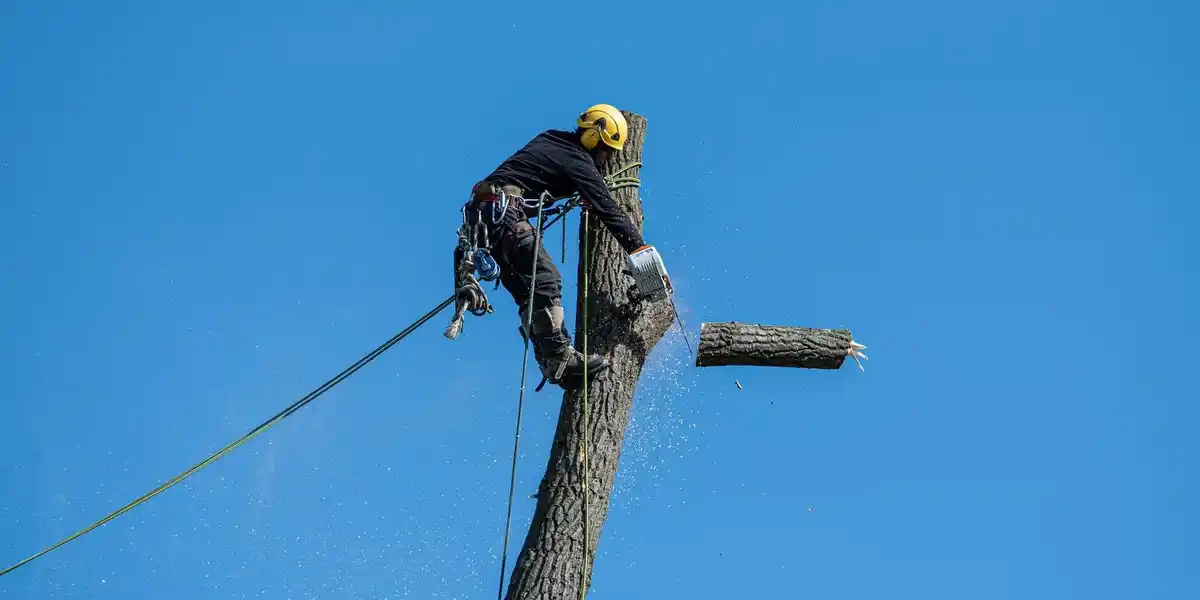
It starts with a site visit where the pro looks at the tree's health, size and what sits around it. Many reputable pros are ISA Certified Arborists, a credential from the International Society of Arboriculture. You'll get a written quote that spells out what's included, such as cleanup, hauling and stump grinding. Before work begins, it's smart to ask for proof of liability insurance and workers' compensation. On the day, the crew trims or removes the tree using proper rigging so nothing lands on your house or fence. Afterward, the debris is cleared as agreed, and you can walk through the result with the pro.
Estimate your tree service cost
Typical cost per tree in Tyler (Estimate)
Note: these are average reference prices. Request a quote for an exact price.
| Typical cost per tree | Average Price per tree |
|---|---|
| Tree trimming or pruning Per tree, depends on height and access | $ 185.40 - $ 926.99 |
| Tree removal Per tree, depends on size, location and hazards | $ 463.49 - $ 2317.47 |
| Stump grinding Per stump, depends on diameter | $ 92.70 - $ 463.49 |
| Storm damage cleanup Per tree, fallen or broken trees | $ 370.79 - $ 2780.96 |
| Tree health assessment Per tree, arborist inspection | $ 92.70 - $ 370.79 |
Tree Work Options Worth Comparing
Keeping Trees Safe Through Trimming and Removal
Routine trimming is the foundation of good tree care for most homes. Pros remove dead, weak or crossing branches and thin the crown so the tree stays balanced. Timing matters, and a local pro can tell you the best season for your particular species. Some trees can't be saved, especially those with major dead sections. In those cases removal is the safer choice, and a crew takes down the tree piece by piece when space is tight. Many cities and counties require a permit to remove protected or heritage trees, so check with your local government first. Arborist organizations generally discourage tree topping because it can weaken a tree. Ask each pro how they'd approach the cuts before you sign off on a quote. Comparing two or three written quotes shows you who explains the work best.
Stump Grinding and Yard Cleanup
Once a tree is down, the stump is often the next thing people want gone. Stump grinding uses a machine to grind the stump below ground level so you can lay sod or reclaim the space. Price depends mostly on the diameter of the stump and how easy it is to reach. Bundling grinding with a removal job can make scheduling easier, since one crew handles both. Not every quote includes it, so confirm whether grinding, wood chips and hauling are in the price. Cleanup deserves the same attention, including leaves, branches and sawdust left across the lawn. Some homeowners keep the wood chips as mulch, while others prefer everything taken away. Either is normal, as long as it's agreed in writing before work starts. Comparing bids side by side helps you spot which ones leave the extras out.
Tree Health Checks and Ongoing Monitoring
A tree health assessment is a smart way to find out what's going on before you commit to removal. An arborist can examine the trunk, roots and canopy for signs of disease, pests or structural weakness. This kind of inspection is priced per tree and is usually much smaller than a removal job. Some problems can be treated with pruning or care, which may save a tree you thought was lost. Others show that a tree is leaning and should come down before the next storm. After a big storm, a quick check for cracked limbs or shifted roots is worth doing. Many homeowners set up a yearly or every-other-year look at their larger trees. That rhythm makes trimming needs easier to plan instead of urgent. A local pro can recommend a schedule based on tree species, age and how close it stands to your home.
Cost Factors Behind Tree Quotes
Tree work is usually priced per tree, and the actual number depends on size, access and hazards. Trimming generally costs less than removal, and stump grinding is often quoted as its own line. Storm damage cleanup can cost more because fallen or broken trees are riskier to handle. Some tree companies may offer payment plans, and a specialist can walk you through financing options if you ask. It's common to get several written quotes and confirm whether cleanup, hauling and stump grinding are included. Spreading routine trimming over time is often easier on a budget than waiting for an emergency removal.
Tree Care Factors Specific to Tyler
In Texas, Local pros tend to know this well. Tyler gets about 52.4 inches of precipitation a year, which affects which species do well and when pruning is best done. With about 270 days in the growing season, trees have a lot of time to put on new growth that needs shaping. Around 52.4 inches of precipitation a year affects soil moisture, root health and how stable a large tree stays in the ground. Strong wind risk here is relatively high, so it helps to have weak limbs checked before storm season. With a median home age of 48 years, many properties have mature trees that have outgrown their original spots.
Local Facts for Tyler
How Comparing Tree services Works in Tyler
Tell us about your trees
Describe the work you need, such as removal, trimming or stump grinding.
Compare local pros
Review tree care professionals serving your area and request written quotes.
Choose with confidence
Check insurance and credentials, then pick the pro that fits your needs and budget.
Find a Local Tree Pro You Feel Good About
No matter what your property looks like, gathering a few quotes makes the next step simpler. Tell us a little about the job, whether it's a trim, a removal or just a question about a tree. Homeowners in Tyler often start with a simple description of what they see in the yard. You'll be able to weigh independent local pros on what they cover and how they explain the work. Seeing several written options side by side makes a fair price simple to spot. You're never obligated to hire anyone, and browsing options is free. Remember to ask about liability coverage, cleanup and stump grinding before you decide. A reputable pro will gladly answer those questions in writing. Taking a few minutes now can spare you from a costly surprise later. Start comparing today and find the tree service that suits your home in Tyler.
Call (877) 307-1322